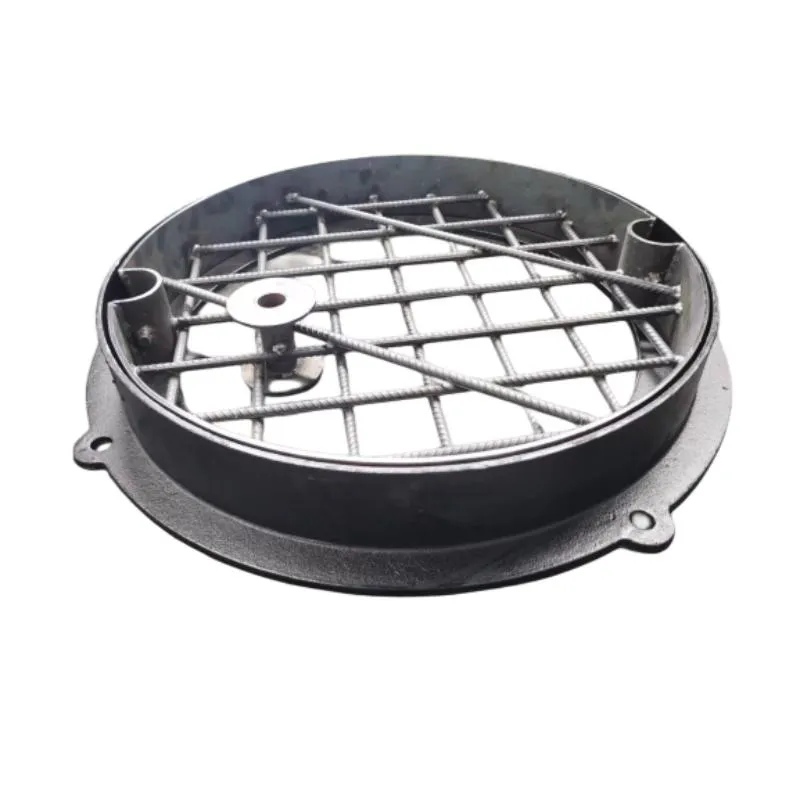
Security Parking Bollards Performance Analysis
Urban perimeter protection has shifted from simple barriers to strategic architectural elements that balance security with accessibility. The deployment of physical deterrents is no longer just about stopping unauthorized entry but about managing the flow of traffic and protecting critical infrastructure from accidental or intentional vehicle impact.
Integrating these systems requires a deep understanding of material science and load-bearing capacities. Whether it is a commercial parking lot or a government facility, the choice between fixed, removable, or automated systems depends on the specific risk profile of the site and the expected frequency of vehicle movement.
Selecting the right Security & Parking Bollards involves evaluating impact ratings and environmental durability to ensure long-term operational stability.
The Evolution of Physical Perimeter Deterrents
Historically, perimeter control relied on heavy masonry or simple chains. However, the rise of denser urban environments and increased security threats necessitated the development of standardized vertical barriers. These systems transitioned from simple markers to engineered safety devices capable of absorbing massive kinetic energy.
Modern systems now focus on the duality of function: providing "invisible" security that does not impede pedestrian movement while remaining an impassable wall for vehicles. This shift has led to the adoption of modular designs that can be adapted as city layouts change.
Material Engineering and Impact Resistance
The effectiveness of any barrier is fundamentally tied to its material composition. Carbon steel remains the industry standard due to its high tensile strength and ability to be galvanized for corrosion resistance. The casting process is critical; any porosity in the metal can lead to structural failure during a high-velocity impact.
Beyond the raw material, the surface treatment determines the lifespan of the installation. Hot-dip galvanizing creates a metallurgical bond that protects the steel from oxidative stress, especially in coastal environments or areas where road salt is used during winter. This ensures that the structural integrity is not compromised by surface rust over decades of use.
In specialized applications, ductile iron is employed for components requiring higher impact absorption and flexibility. By manipulating the graphite nodules during the casting process, manufacturers can create components that bend slightly under pressure rather than snapping, which is essential for mitigating the force of a vehicle collision.
Structural Integration and Installation Logic
A bollard is only as strong as the foundation supporting it. Surface-mounted options provide flexibility and ease of installation, suitable for low-risk parking guidance. However, for true security, deep-embedded installations are mandatory. These involve casting the bollard directly into a reinforced concrete footing.
The critical failure point in perimeter security is rarely the bollard itself, but the interface between the post and the concrete foundation. Proper reinforcement and curing times are non-negotiable for impact-rated systems.
For sites requiring intermittent access, such as emergency lanes or loading docks, removable or retractable systems are utilized. These require precision machining of the locking mechanisms to ensure that the transition from "removable" to "fixed" does not introduce a structural weak point that could be exploited during an impact.
Performance Metrics for Vehicle Mitigation
Evaluating the efficacy of security barriers involves analyzing the kinetic energy absorption. This is typically measured by the vehicle's mass and velocity at the moment of impact. Engineers use a relative value index to determine the suitability of a barrier based on the intended "threat level," ranging from low-speed parking mishaps to high-energy intrusions.
When comparing different installation types, the depth of the foundation and the thickness of the steel wall are the primary drivers of the performance index. A shallow-mount system may offer high visibility but significantly lower energy dissipation compared to a deep-socketed structural post.
Figure 2. Relative Energy Absorption Index by Installation Type
High-Traffic Application Scenarios
In commercial parking structures, the primary goal is often the prevention of "parking creep," where vehicles encroach upon pedestrian walkways. Here, low-impact, high-visibility bollards are deployed. The focus is on guidance and clear demarcation rather than extreme kinetic mitigation.
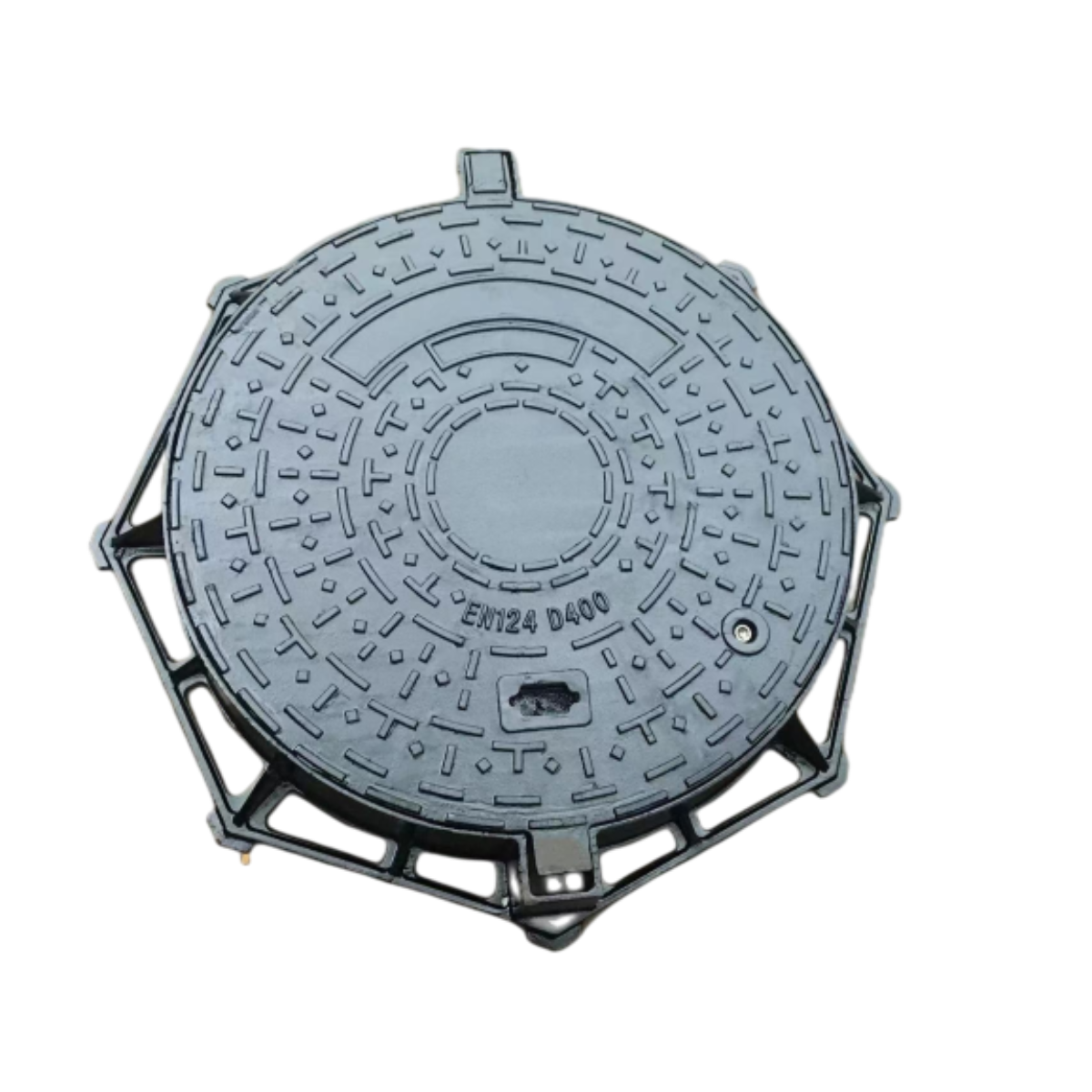
Conversely, in industrial zones, such as loading bays or near gas stations, the bollards must protect high-value assets and hazardous equipment from heavy truck impacts. In these settings, HEBEI YONGQIAN TRADING CO.,LTD. provides robust casting solutions that ensure equipment safety, utilizing the same high-standard metallurgical processes applied to their ductile iron manhole covers and park facilities.
Future Trends in Urban Traffic Management
The integration of "Smart City" technology is beginning to influence perimeter security. We are seeing a move toward sensors embedded within bollards that can detect vehicle approach speeds and alert security personnel in real-time. This transforms a passive barrier into an active data collection point.
Sustainability is also becoming a driver in material selection. While steel remains dominant, there is an increasing demand for recycled metal content without sacrificing the load-bearing capacity. The industry is exploring advanced coatings that reduce the need for frequent repainting and maintenance, lowering the total cost of ownership.
Furthermore, the rise of autonomous vehicles requires more precise parking markers. Bollards are being redesigned to act as physical anchors for digital mapping systems, helping autonomous cars navigate tight urban spaces with greater accuracy and safety.
Comparative Framework for Bollard Selection
Selecting the appropriate security system requires a trade-off analysis between security level, installation cost, and operational flexibility. A system that is too restrictive can hinder legitimate traffic flow, while one that is too lenient fails to protect the asset.
The decision framework typically begins with a risk assessment: what is the maximum expected vehicle mass and velocity? Once these parameters are defined, the engineer can choose between fixed, removable, or automated options.
The following table provides a relative suitability matrix for common urban scenarios to assist in the preliminary selection process.
| Scenario | Primary Goal | Recommended Type | Risk Level |
|---|---|---|---|
| Retail Storefront | Pedestrian Safety | Fixed / Shallow Mount | Moderate |
| Govt. Building | Anti-Terrorism | Deep Embed / Heavy Duty | High |
| Loading Dock | Asset Protection | Removable / Fixed | Moderate |
| Public Park | Traffic Control | Decorative / Fixed | Low |
| Emergency Lane | Controlled Access | Retractable / Removable | Moderate |
| Parking Lot | Space Demarcation | Surface Mount | Low |
Questions & Answers
Fixed bollards are permanently cast into a concrete foundation, providing the maximum level of security and impact resistance. They are ideal for permanent perimeters. Removable bollards feature a locking mechanism that allows the post to be lifted out of a ground sleeve, providing a balance between security and the need for occasional vehicle access, such as for maintenance or emergency services.
Hot-dip galvanization involves coating the steel with a layer of zinc, which acts as a sacrificial anode. This prevents the underlying steel from oxidizing (rusting) when exposed to moisture and air. In harsh urban environments, galvanized bollards can last significantly longer than painted ones, reducing maintenance costs and ensuring the structural integrity of the barrier remains intact over time.
For high-impact scenarios, deep-embedded foundations are the only viable choice. By extending the bollard deep into a reinforced concrete slab, the impact force is transferred directly into the ground rather than relying on the shear strength of bolts. This prevents the bollard from being uprooted or shifted during a high-energy vehicle collision.
Yes, bollards are frequently used as "psychological barriers" to guide pedestrians along specific paths and prevent them from entering vehicle lanes. By strategically spacing bollards, designers can create clear boundaries that are permeable to people but impassable to cars, enhancing the overall safety of urban plazas and sidewalks.
Fixed galvanized bollards require very little maintenance, typically just periodic visual inspections for structural damage. Removable systems require more attention, specifically lubricating the locking mechanisms and ensuring the ground sleeve remains clear of debris to allow for easy removal and insertion. High-visibility coatings may need refreshing every few years depending on exposure.
Steel is preferred for high-tensile strength and linear stability in deep-embed applications. Ductile iron is often used for specialized components or decorative yet strong posts because it offers better shock absorption and is less prone to brittle fracture under sudden, heavy loads. The choice depends on whether the priority is absolute rigidity or energy dissipation.
Final Thoughts
The implementation of effective perimeter security is a science of balancing protection with functionality. By prioritizing material quality and foundation integrity, facility managers can create environments that are safe for pedestrians and resilient against vehicle-borne threats.
As urban design continues to evolve, the role of engineered barriers will expand beyond simple security into the realm of intelligent traffic management. Investing in high-specification, durable systems today ensures that infrastructure remains secure and operational for the long term.