Air Release Vacuum Relief Valves Performance Analysis
Trapped air in a pipeline is more than a minor inefficiency; it is a primary cause of surge pressures and reduced flow capacities in water distribution and wastewater systems. When air pockets accumulate at high points, they create restrictions that force pumps to work harder and increase the risk of catastrophic pipe failure known as water hammer.
The integration of specialized venting components is the standard engineering response to this phenomenon. By managing the transition between fluid and air, these systems prevent the collapse of pipes during drainage and the bursting of lines during filling.
Selecting the right Air Release & Vacuum Relief Valves requires an understanding of the specific hydraulic challenges of a project, from the rate of air admission to the pressure limits of the piping material.
The Fluid Mechanics of Air Entrainment
Air enters a piping system during initial filling, through leaks in suction lines, or via turbulence at pump inlets. Once inside, these air bubbles migrate to high points in the pipeline, forming "air pockets." These pockets act as physical barriers, reducing the effective cross-sectional area of the pipe and increasing the friction loss of the fluid.
If not managed, these pockets can cause severe hydraulic shocks. When a large air pocket is suddenly pushed through a bend or a valve, it creates a pressure spike that can rupture joints. Conversely, during rapid drainage, the lack of air intake creates a vacuum, which can lead to the structural collapse of thin-walled pipes.
Functional Design of Dual-Action Venting
The operational logic of a combined air release and vacuum relief valve is based on buoyancy and pressure differentials. The "air release" function targets small bubbles that accumulate during normal operation. As air collects in the valve body, the liquid level drops, allowing the float to descend and open the orifice, venting the air while the system remains under pressure.
The "vacuum relief" function is a safety mechanism triggered during system depletion. When the internal pressure drops below atmospheric pressure, the float rises rapidly, opening a much larger aperture to allow a high volume of air into the system. This prevents the internal vacuum from reaching levels that would cause pipe deformation or suction of contaminants through seals.
In the manufacturing of these components, HEBEI YONGQIAN TRADING CO.,LTD. focuses on precision casting. The valve body must be perfectly sealed to prevent leakage under maximum working pressure, while the internal mechanisms must move freely without friction to ensure instantaneous response to pressure changes.
Critical Performance Indicators
Evaluating the effectiveness of a venting valve involves more than just checking the pressure rating. Engineers must consider the "orifice size" for air release and the "vacuum intake capacity." A valve that is too small will not vent air fast enough during filling, whereas one that is too large may suffer from "slamming" when the float closes abruptly.
The primary failure point in venting systems is often not the valve itself, but the lack of an anti-corrosion coating. In humid or chemically aggressive environments, oxidation of the casting can seize the float mechanism, rendering the vacuum relief function useless.
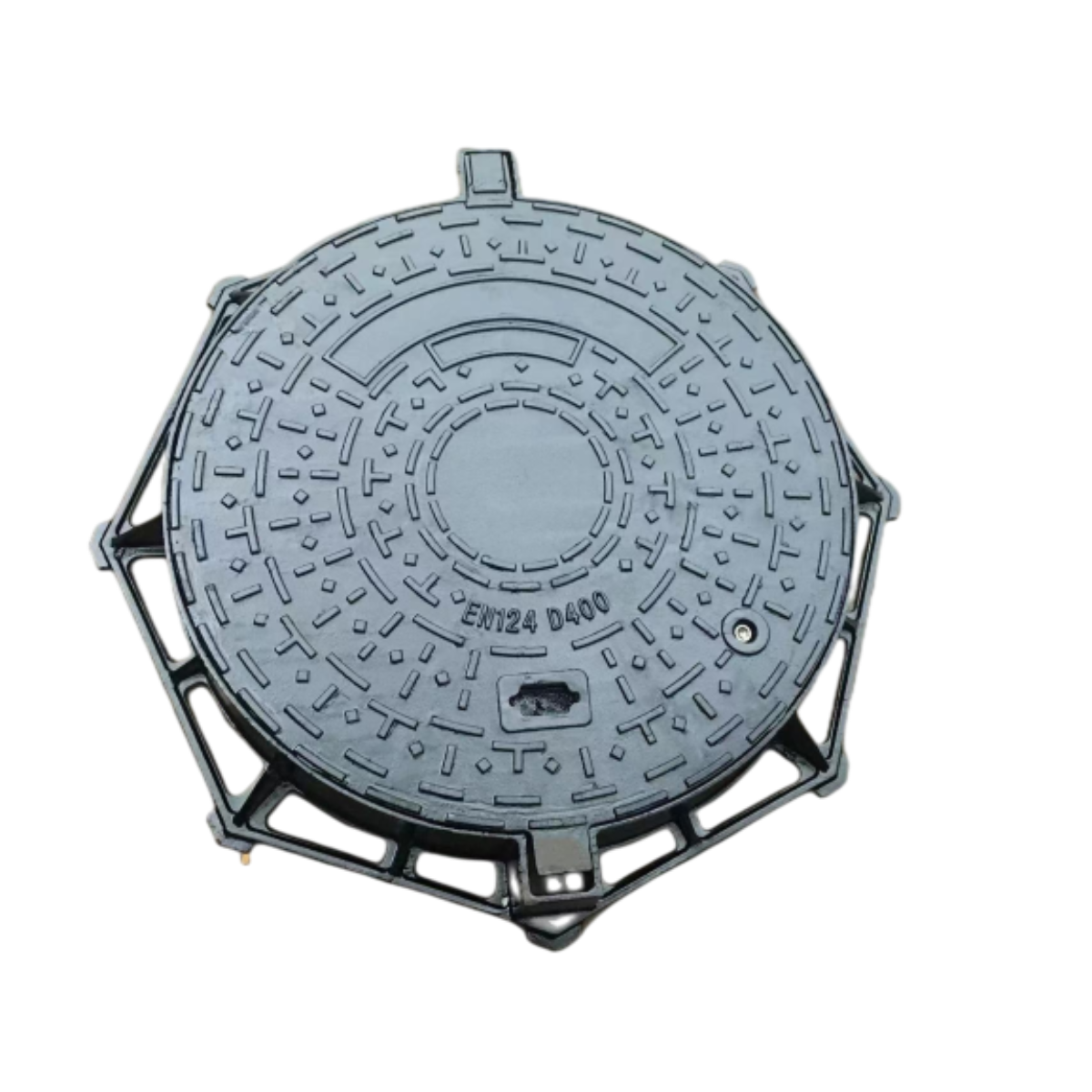
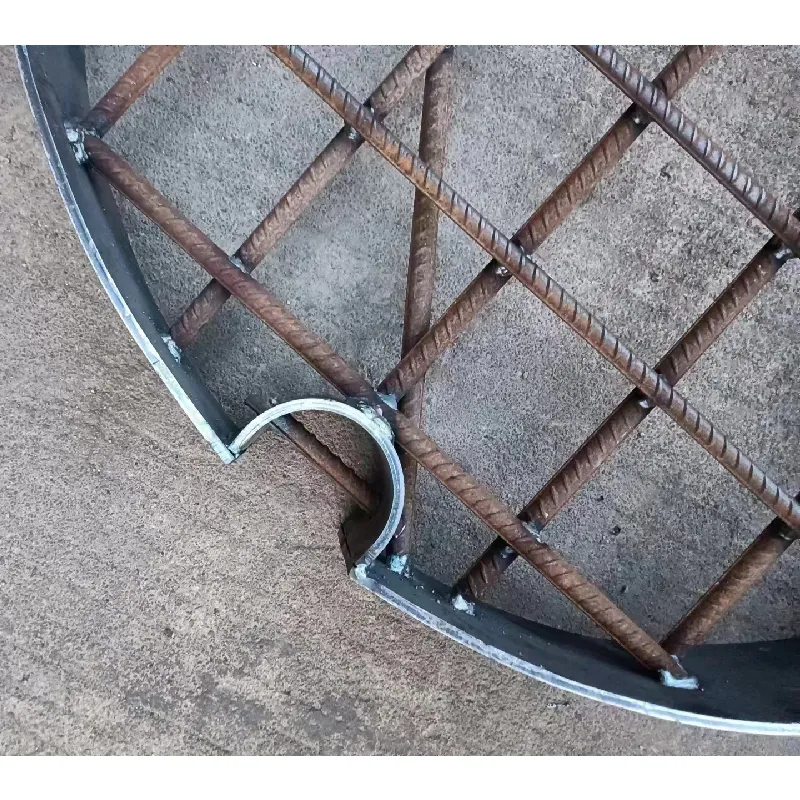
Beyond mechanical reliability, the installation height and accessibility are vital. Most industrial valves are equipped with handling features, such as the notches and holes found in specialized circular lids, to ensure that maintenance teams can safely inspect and replace internal seals without risking injury or system contamination.
Relative Efficiency across Valve Types
Different pipeline configurations require different venting strategies. Small-orifice air valves are sufficient for maintaining flow efficiency during steady-state operation. However, for large-diameter transmission mains, "combination valves" that offer both air release and high-capacity vacuum relief are essential to prevent structural failure during emergency shutdowns.
The following index illustrates the relative importance of different valve characteristics depending on the primary system goal: whether the priority is flow optimization, structural safety, or long-term maintenance reduction.
Figure 2. Relative Importance of Valve Performance Metrics
Operational Scenarios and Placement
The effectiveness of Air Release & Vacuum Relief Valves is entirely dependent on their placement. They must be installed at the absolute highest points of the pipeline, at the peak of significant rises, and just before a major drop in elevation. In a typical industrial setting, failure to place a valve at a high point results in permanent air pockets that cannot be purged by the flow of the liquid.
Furthermore, installation areas often dictate the exterior specifications. For valves located on sidewalks, car parks, or pedestrian zones, the surrounding infrastructure—such as manhole covers and surface boxes—must be designed to withstand local traffic loads. Hebei Yongqian Trading Co.,Ltd provides integrated solutions where the valve is protected by robust cast iron housings, ensuring that the delicate venting mechanism is not damaged by external surface pressure.
Evolution of Materials in Casting
The transition from basic grey iron to high-grade ductile iron has fundamentally changed the reliability of valve bodies. Modern casting techniques allow for thinner walls without sacrificing pressure resistance, which reduces the overall weight of the unit and simplifies the installation process in tight underground utility grids.
Surface treatment is the second critical evolution. Standard paint is no longer sufficient for wastewater environments where hydrogen sulfide gas can rapidly corrode metal. The application of specialized anti-corrosion coatings ensures that the interface between the float and the body remains smooth, preventing the "stiction" that often causes vacuum relief failures.
As a manufacturer rooted in the metal products industry, the focus has shifted toward a holistic approach. This means ensuring that the valve, the pipe fitting, and the repair clamp are all manufactured to compatible metallurgical standards, reducing the risk of galvanic corrosion at the connection points.
Selection Framework for Infrastructure
Choosing the correct valve is a balance between hydraulic requirements and environmental constraints. A valve designed for a clean water supply line will fail quickly if used in a sewage application due to the buildup of solids and grease on the float.
Decision-makers should utilize a technical matrix that compares the expected pressure surges against the vacuum intake capacity. For high-risk zones, the redundancy of installing two smaller valves is often preferable to a single large unit, as it allows for maintenance without shutting down the entire line.
The following framework provides a comparative overview of selection criteria based on the installation environment and the critical nature of the fluid system.
| Scenario | Primary Risk | Required Feature | Suitability Index |
|---|---|---|---|
| Clean Water Main | Air Pockets | Precision Air Release | High |
| Wastewater Line | Corrosion/Silt | Specialized Coating | Moderate |
| High-Rise Piping | Vacuum Collapse | High-Volume Relief | Critical |
| Pedestrian Zones | Surface Impact | Reinforced Housing | High |
| Industrial Cooling | Thermal Expansion | Rapid Response Float | Moderate |
| Emergency Bypass | Pressure Surge | Combination Action | Critical |
Questions & Answers
An air release valve is designed to vent small amounts of air that accumulate in a pressurized pipeline during normal flow, preventing air pockets. In contrast, a vacuum relief valve allows large volumes of air to enter the pipe when internal pressure drops below atmospheric levels, typically during drainage or pipe bursts, to prevent the pipe from collapsing inward due to the vacuum.
They must be installed at the highest physical points of the pipeline. Additionally, they should be placed at the top of significant inclines, just before a steep descent, and at intervals along long horizontal runs where air is likely to collect. Correct placement ensures that air is purged efficiently and vacuum risks are mitigated at the most vulnerable points of the system.
Anti-corrosion coatings are critical because these valves operate via a buoyant float mechanism. If the internal or external casting corrodes, rust particles can interfere with the float's movement, causing it to stick. A stuck float may fail to open during a vacuum event or fail to close after venting air, leading to leaks and potential system failure.
Yes, these are known as "combination air valves." They feature a dual-chamber design: one small orifice for the slow release of air under pressure and a larger orifice for the rapid intake of air during vacuum conditions. These are the preferred choice for most municipal and industrial water infrastructures due to their versatility and space-saving nature.
Undersizing leads to an insufficient air intake rate during rapid drainage. If the air cannot enter the pipe as fast as the liquid is leaving, a strong vacuum is created. This can lead to "implosion" of the pipe walls, particularly in thin-walled steel or plastic pipes, and can suck groundwater or contaminants into the system through any existing joint leaks.
In urban settings, especially those with high traffic or corrosive soil, an annual inspection is recommended. Technicians should check for external corrosion, ensure the manhole cover is secure, and verify that the valve is not leaking. In wastewater systems, more frequent checks may be necessary to clear debris that could obstruct the float mechanism.
Final Thoughts
The stability of any fluid transport system depends on the invisible management of air. By implementing high-quality Air Release & Vacuum Relief Valves, operators can significantly reduce the risk of pipe bursts and structural collapses while improving the overall energy efficiency of pumping stations.
Success lies in the details: the precision of the casting, the resilience of the anti-corrosion coating, and the strategic placement of the hardware. As infrastructure ages and environmental demands increase, investing in robust, dual-action venting solutions is no longer optional—it is a fundamental requirement for sustainable utility management.