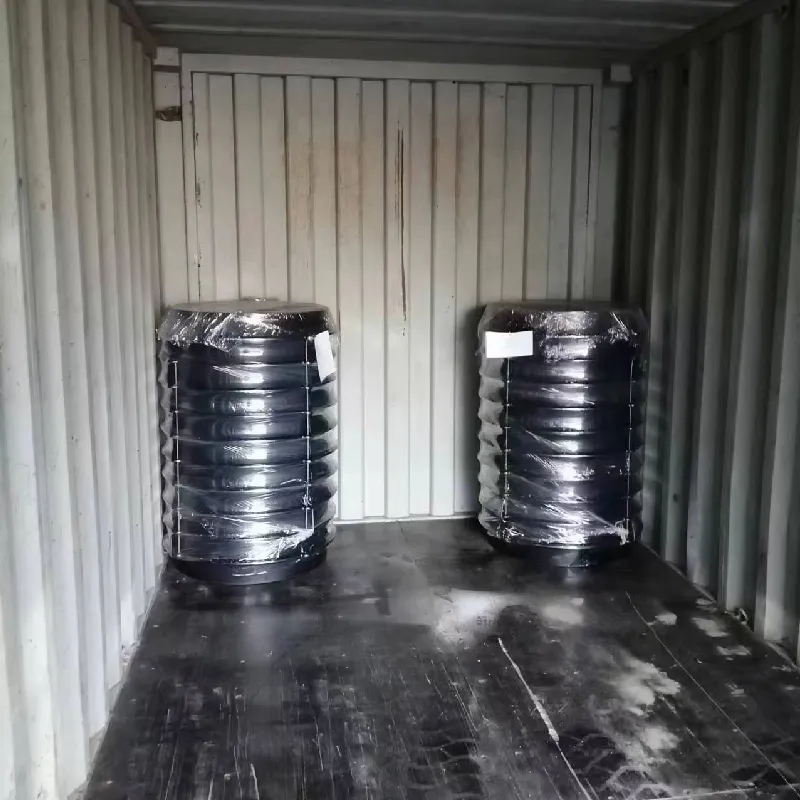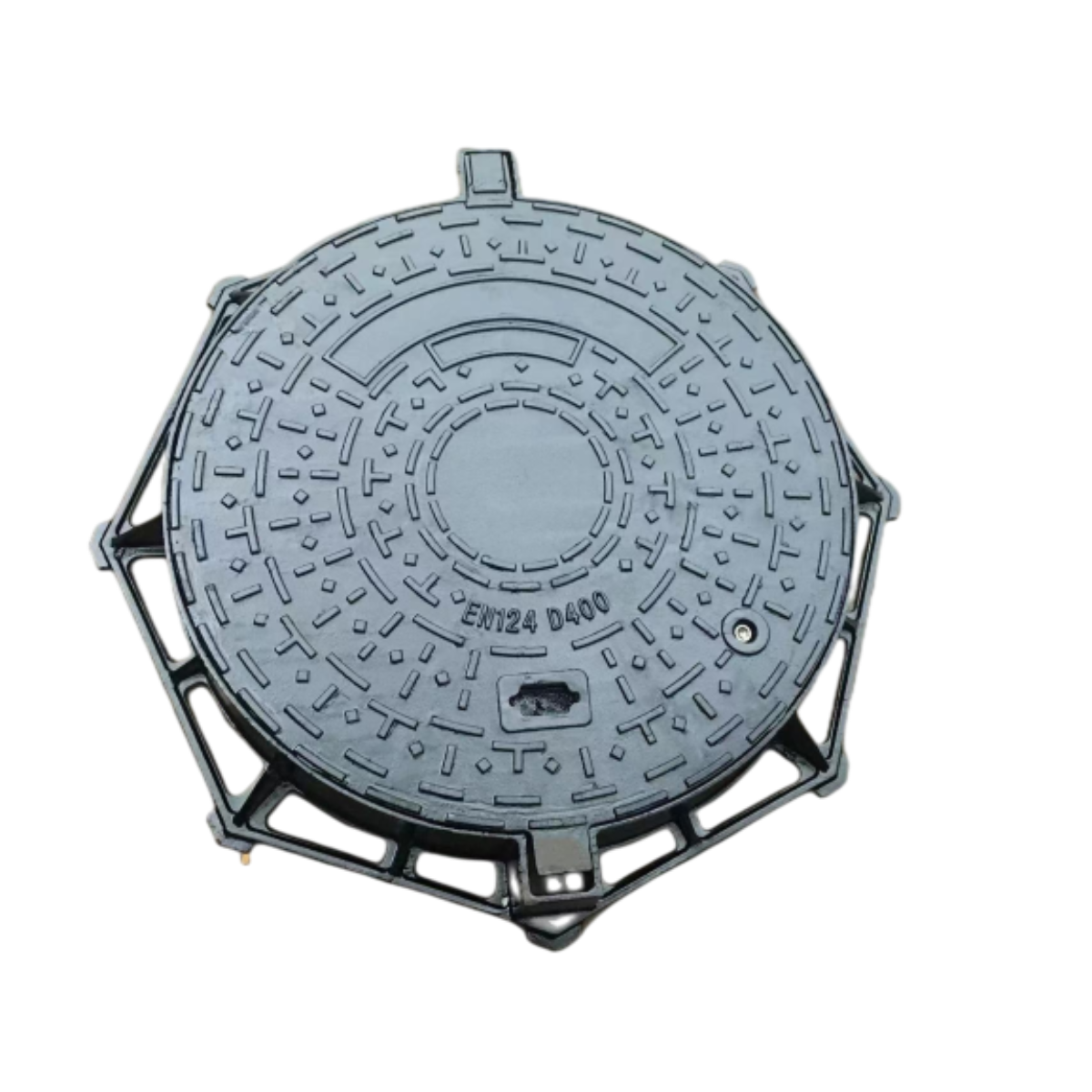
Valve Water Meter Surface Boxes Material Performance and Load Capacity Analysis
Maintaining accessibility to underground utility networks is a critical requirement for urban infrastructure management. When water valves or meters are installed below ground level, they require specialized protection to prevent debris accumulation and surface damage while ensuring rapid access for maintenance teams.
The selection of protective housings often comes down to a balance between load-bearing capacity and environmental resistance. In high-traffic areas, the risk of structural failure increases, making the material composition and adherence to international standards—such as EN 124—paramount for long-term viability.
Understanding the technical nuances of Valve & Water Meter Surface Boxes allows municipal engineers and contractors to optimize their installation strategy, reducing future excavation costs and enhancing the lifespan of critical water distribution assets.
Infrastructure Integration Logic
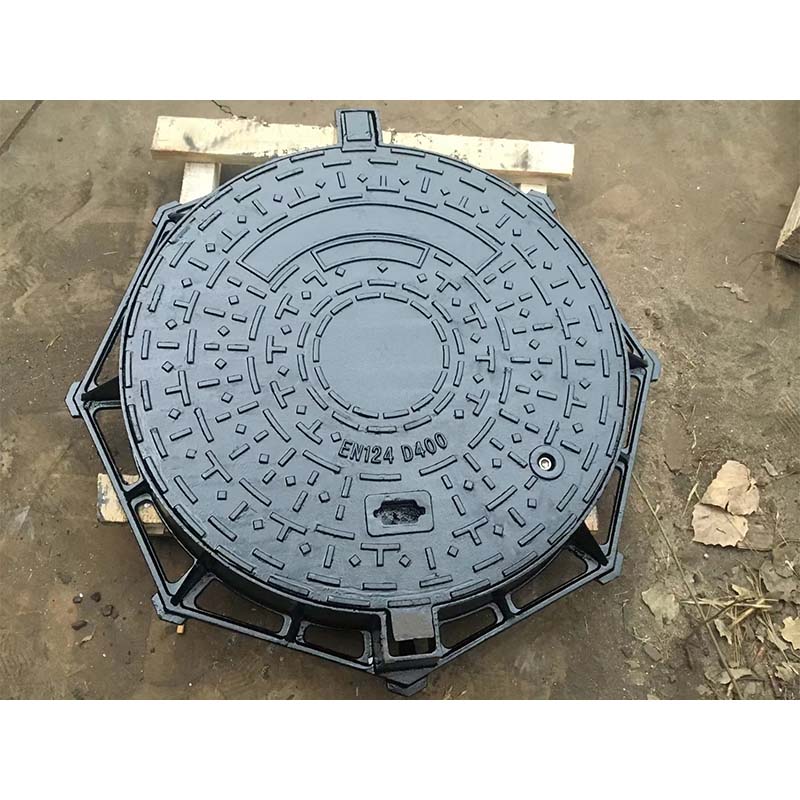
The primary function of a surface box is to bridge the gap between the subsurface utility and the paved surface. This requires a design that accommodates the specific dimensions of the valve or water meter while preventing surface water, soil, and contaminants from infiltrating the valve chamber.
Effective integration involves a precise fit between the frame and the surrounding road or pavement. If the tolerance is too loose, edge cracking occurs; if too tight, thermal expansion can lead to structural failure. The goal is to create a seamless transition that protects the internal components without compromising the integrity of the surrounding surface.
Engineering Design Factors
A professional surface box design must prioritize the "Clear Opening" and "Cover Diameter." The clear opening determines the ease with which a technician can operate the valve using a key or tool, while the cover diameter ensures the frame remains stable under lateral pressure.
Beyond dimensions, sealing mechanisms play a vital role. Double-sealed systems are increasingly common to prevent odors from sewerage systems from escaping and to keep surface runoff from filling the chamber. This reduces the need for frequent cleaning and prevents the corrosion of the valve assembly beneath.
Anti-slip surfaces are another critical safety engineering factor. For boxes installed in pedestrian areas or road shoulders, the surface texture must provide sufficient friction to prevent accidents, especially during wet conditions, ensuring that the installation does not become a hazard to public safety.
Material Performance Standards
The shift from traditional grey iron to ductile iron has redefined the durability expectations for surface boxes. Ductile iron provides superior tensile strength and impact resistance, which is essential for components exposed to the dynamic loads of vehicular traffic.
Adherence to the EN 124 standard is the benchmark for quality. For heavy-duty applications, the D400 class is the industry gold standard, ensuring the product can withstand loads typically found on carriageways and pedestrian areas.
Manufacturing processes, such as precision casting and controlled cooling, are used to eliminate air pockets and weak points. This metallurgical discipline ensures that the final product has a consistent density, which directly correlates to its ability to resist wear and tear over decades of service.
Load Capacity Analysis
Load capacity is not a one-size-fits-all metric. It is categorized based on the expected traffic environment. While a residential lawn may only require Class A15 (15kN), a road surface demands Class D400 (400kN) to avoid catastrophic failure under the weight of heavy goods vehicles.
When analyzing the relative suitability of different classes, engineers look at the "Resistance Index." This index helps in determining if the chosen box will deform over time or if it can maintain its structural shape under peak load intervals.
Figure 2. Relative Load Performance Index by EN 124 Class
Operational Deployment Scenarios
In a typical urban road setting, the deployment of surface boxes requires coordination with the pavement layering. The frame must be set at a height that is perfectly flush with the final asphalt course to prevent "lip" formation, which can cause vehicle instability and accelerated wear of the cover.
For municipal water districts managing thousands of meters, the primary concern is often the "Unit Weight" versus "Loading Capacity." Heavier units provide more stability but increase shipping and installation costs. Optimizing this ratio—using high-grade ductile iron to maintain strength while reducing unnecessary bulk—is a key procurement goal for large-scale projects.
Urbanization and Maintenance Trends
Modern urban planning is shifting toward "smart cities," where underground access points are increasingly integrated with sensor technology. While the physical surface box remains a mechanical necessity, the internal chamber design is evolving to accommodate electronic monitoring equipment for water leak detection.
Maintenance cycles are also changing. There is a move away from reactive repair (replacing broken covers) toward predictive replacement based on the load history of the specific road segment. This data-driven approach helps in selecting the correct Class (e.g., moving from B125 to D400) before a failure occurs.
Sustainability in manufacturing is also becoming a factor. The use of recycled scrap metal in the casting process of ductile iron components reduces the carbon footprint of infrastructure projects without compromising the technical requirements of the EN 124 standard.
Selection Decision Framework
Selecting the right surface box involves evaluating the environmental stressors of the installation site. A box in a park facility has vastly different requirements than one located on a highway shoulder. The primary trade-off is usually between the initial cost of the material and the long-term cost of maintenance.
The aformentioned EN 124 classes provide a standardized method for this evaluation. By mapping the expected traffic type to the corresponding load resistance (kN), procurement officers can avoid the common mistake of under-specifying components in high-traffic zones.
For those sourcing from manufacturers like HEBEI YONGQIAN TRADING CO.,LTD., the focus should be on the verification of the casting process and the precision of the external dimensions to ensure seamless fitment during the installation phase.
| Installation Area | Recommended Class | Typical Load (kN) | Primary Risk Factor |
|---|---|---|---|
| Pedestrian Walkways | A15 | 15 | Surface Settling |
| Private Parking Lots | B125 | 125 | Occasional Heavy Vehicles |
| Road Shoulders | C250 | 250 | Lateral Tire Pressure |
| Main Road Surface | D400 | 400 | Continuous Heavy Traffic |
| Industrial Private Roads | E600 | 600 | Extreme Point Loads |
| Airport Runways/Tarmacs | F900 | 900 | Aircraft Impact Loads |
Questions & Answers
Grey iron is brittle and prone to cracking under sudden impact or heavy loads. Ductile iron contains spherical graphite nodules that allow the material to deform slightly without breaking, providing significantly higher tensile strength and durability. This makes ductile iron the preferred choice for any area subject to vehicular traffic, as it resists fractures and wear much more effectively than grey iron.
Determination is based on the intended installation environment. Class A15 is for pedestrians and cyclists. Class B125 is for sidewalks with occasional car traffic. Class C250 is for road gutters. Class D400 is required for road surfaces and pedestrian streets with frequent traffic. Classes E600 and F900 are reserved for exceptionally heavy industrial traffic or airport areas. Always over-specify if the traffic volume is uncertain to ensure long-term safety.
The clear opening is the actual internal space available for access. If this dimension is too small, maintenance workers may be unable to fit the necessary tools or valve keys into the box, leading to operational delays. Conversely, an excessively large opening may compromise the structural integrity of the frame or allow too much debris to enter. A precision-engineered clear opening ensures optimal access while maintaining the stability of the road surface.
Yes, high-quality casting allows for the integration of custom logos, patterns, or identification markings on the cover. This is often used by utility companies to distinguish between water, gas, or telecommunications access points. Additionally, special coatings can be applied to improve visibility for safety or to provide extra corrosion resistance in highly acidic or saline soil environments.
Advanced surface boxes utilize a double-sealed system. This involves a precision-machined seating area where the cover fits tightly against the frame, combined with gaskets or specialized sealing rings. This design prevents surface runoff from entering the chamber and stops sewer gases or odors from leaching into the street level, which is essential for maintaining urban hygiene and preventing internal corrosion of the valve.
The load capacity is a direct result of the casting quality. Proper melting temperatures and controlled cooling prevent the formation of air pockets (porosity) and inclusions. When the molten metal flows smoothly into every corner of the mold, the resulting part has a uniform molecular structure. A rigorous quality control system that inspects each unit for defects ensures that the final product actually meets the rated kN resistance of its assigned class.
Final Thoughts
The efficiency of urban water management depends heavily on the reliability of the smallest components. A well-chosen surface box does more than just cover a hole; it preserves the lifespan of the underlying valve system and ensures the safety of the road surface above.
By prioritizing ductile iron materials and adhering strictly to EN 124 load classes, infrastructure managers can minimize maintenance overhead and prevent costly road failures. Investing in precision-cast solutions is a strategic decision that balances immediate installation needs with decades of operational stability.