Cast Iron Ductile Iron Manhole Covers Technical Performance Analysis
Urban infrastructure relies heavily on the silent resilience of access points to underground utility networks. The selection between grey iron and ductile alternatives is not merely a matter of cost, but a critical decision affecting long-term structural safety and maintenance cycles in high-traffic zones.
As city planning shifts toward heavier load-bearing requirements and more corrosive environments, the technical specifications of these components must evolve. The transition toward high-performance materials is driven by the need to reduce catastrophic failure rates in sewage and electrical grids, where a single breach can lead to significant public hazard.
Understanding the intersection of material science and civil engineering is essential for selecting the right Cast Iron & Ductile Iron Manhole Covers. This analysis explores the technical nuances, load-bearing capacities, and selection frameworks necessary for modern municipal projects.
Material Evolution in Casting
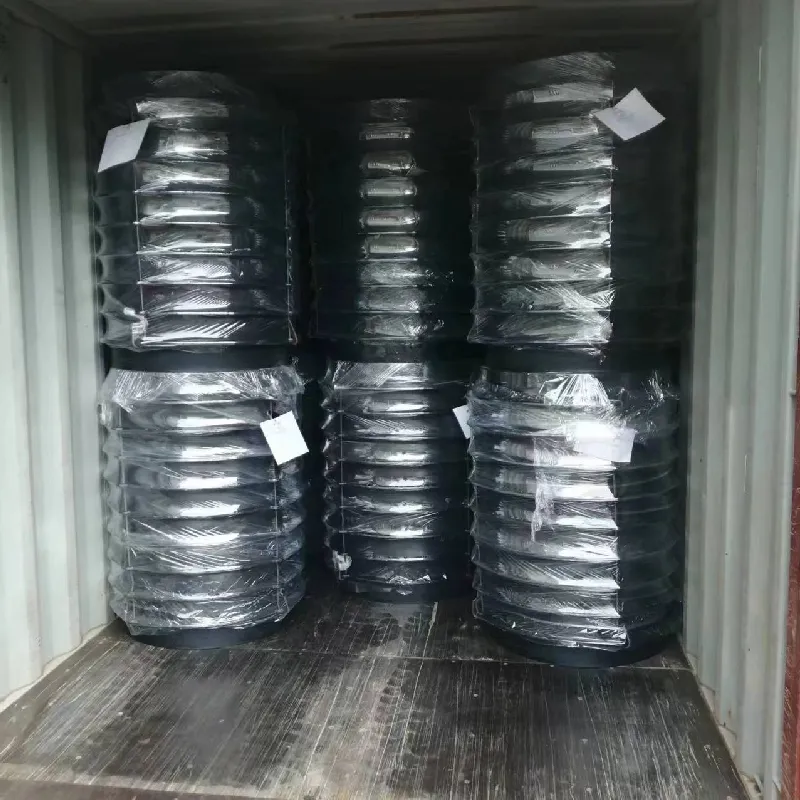
Traditional cast iron, characterized by its flake graphite structure, offered excellent compressive strength but remained brittle. In contrast, ductile iron—produced through a magnesium treatment process—transforms these flakes into nodules. This fundamental shift in microstructure allows the material to deform slightly under pressure rather than cracking instantly.
For the metal products industry, this evolution means the ability to produce thinner, lighter covers that can withstand higher impact loads. Modern casting facilities, such as those operated by HEBEI YONGQIAN TRADING CO.,LTD., utilize these advancements to ensure that access rings and covers maintain integrity across varying thermal expansion cycles.
Mechanical Properties and Load Dynamics
The primary differentiator in load dynamics is the tensile strength. While grey iron is prized for its vibration damping and ease of casting, it lacks the ductility required for areas subject to sudden, heavy impact loads, such as arterial roads. Ductile iron provides a significant safety margin, absorbing energy through elastic deformation.
Load testing is the gold standard for verifying these properties. Components are subjected to rigorous pressure tests to ensure they do not exceed permissible deflection limits. This ensures that the cover remains flush with the pavement, preventing "rocking" which can lead to premature wear of both the cover and the surrounding asphalt.
Beyond vertical pressure, shear strength becomes critical at the interface where the cover meets the frame. Precise machining and tight tolerances in the casting process prevent lateral shifting, which is a common failure point in low-grade municipal installations.
Standard Compliance and Safety Benchmarks
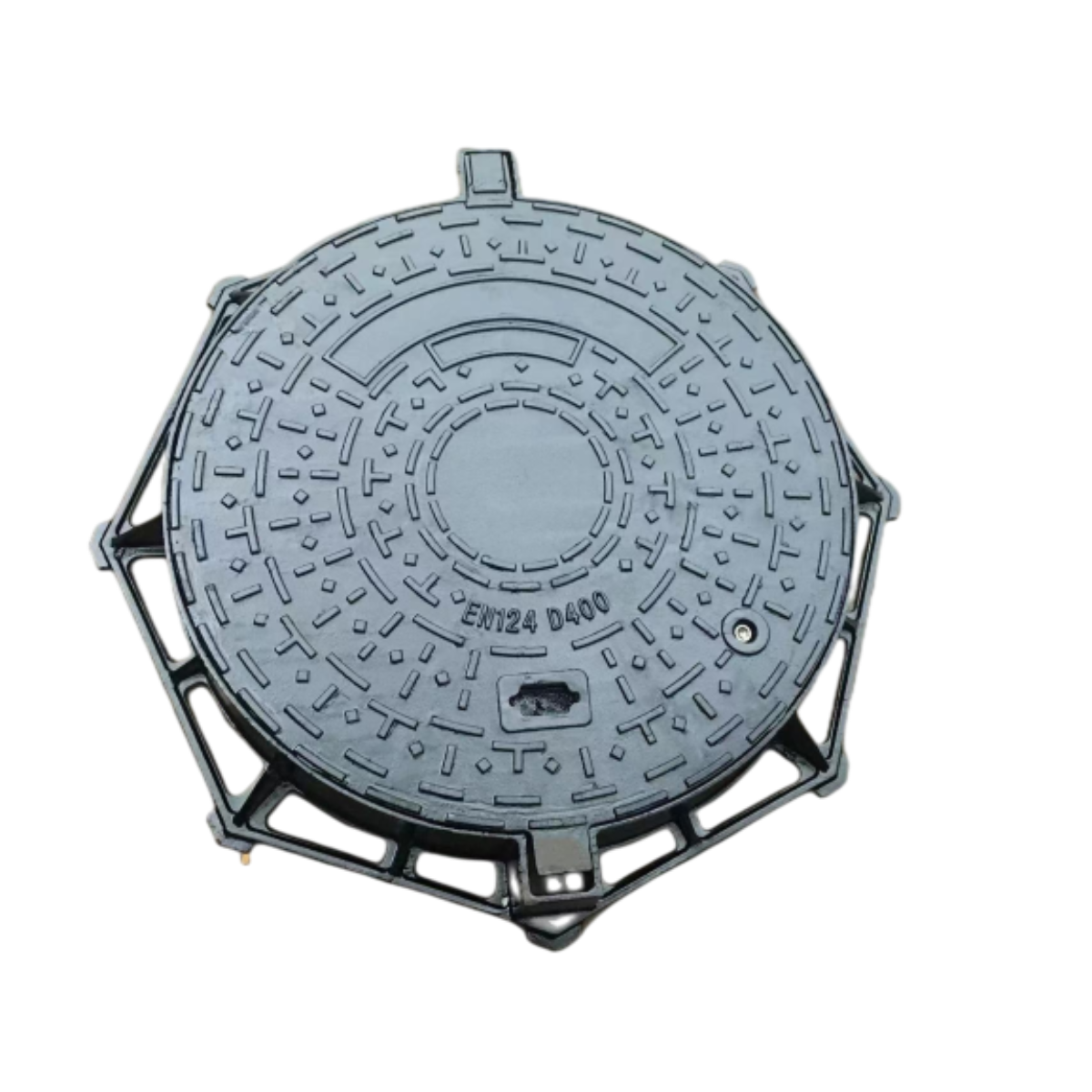
Global infrastructure is governed by strict regional standards to ensure interoperability and safety. For instance, the Chilean NCH 2080 standard specifies rigorous requirements for ductile iron rings used in wastewater and rainwater networks, emphasizing both the chemical composition of the metal and the geometry of the clear opening.
Compliance with standards like NCH 2080 is not just a legal requirement but a structural guarantee; a 25-ton test load verification ensures that utility access remains secure even under peak traffic conditions in urban sidewalks and roads.
Achieving these benchmarks requires stringent quality control during the pouring and cooling phases. Variations in temperature can lead to internal voids or "blowholes," which significantly compromise the load-bearing capacity. Professional distributors prioritize certificates of analysis to verify that the silicon and manganese levels are optimized for the specific environment.
Performance Index by Material Type
When evaluating the relative performance of different casting materials, engineers look at a composite index of strength, durability, and weight. Ductile iron consistently outperforms traditional cast iron in tensile strength and impact resistance, although grey iron remains a cost-effective choice for low-traffic residential areas.
The following index illustrates the relative performance across five key operational metrics. These values represent a qualitative assessment of how different materials behave under standard municipal stress tests.
Figure 2. Comparative Material Performance Index
Deployment Scenarios in Urban Planning
In a typical industrial setting, the selection of manhole components is dictated by the chemistry of the effluent and the frequency of heavy machinery passage. For sewage networks that channel wastewater and rainwater, ductile iron rings—such as the Ø858mm external size variants—are preferred for their ability to withstand the corrosive nature of hydrogen sulfide while maintaining a 25-ton load capacity.
Conversely, in pedestrian-heavy park facilities or residential sidewalks, the focus shifts toward aesthetics and basic safety. Here, customized patterns or special coatings may be applied to the covers to blend with the urban landscape, provided the base material still meets the minimum safety requirements for emergency vehicle access.
Future Trends in Utility Access
The industry is moving toward "smart" infrastructure, where manhole covers are no longer passive lids but integrated components of the Internet of Things (IoT). Sensors for gas detection, water level monitoring, and unauthorized access alerts are being embedded into the casting or the surrounding frame.
Material science is also exploring hybrid composites to further reduce weight without sacrificing strength. However, the reliability of ductile iron remains the benchmark due to its predictable failure mode and ease of recycling. The current focus is on improving anti-theft locking mechanisms and noise-reduction gaskets to minimize urban noise pollution.
Furthermore, the push for sustainable procurement is forcing manufacturers to adopt greener casting processes. This involves optimizing energy consumption during the melting phase and utilizing reclaimed scrap metal, aligning the production of heavy industrial components with global ESG (Environmental, Social, and Governance) goals.
Selection Framework for Procurement
Procurement officers must balance initial capital expenditure against the lifecycle cost of the installation. While ductile iron carries a higher upfront price than grey iron, the reduction in replacement frequency and the lower risk of catastrophic failure typically result in a lower Total Cost of Ownership (TCO).
Key technical specifications, such as clear opening diameter and height, must be matched exactly to the existing shaft to avoid gaps that allow debris infiltration. For instance, a ring with a 600mm clear opening and 108mm height must be verified against the specific site dimensions to ensure a seamless seal.
The following matrix provides a relative suitability guide for selecting between different iron alloys based on common deployment requirements.
| Environment | Load Requirement | Recommended Material | Primary Reason |
|---|---|---|---|
| Main Arterial Road | Heavy (25t+) | Ductile Iron | Impact Resilience |
| Residential Side-street | Medium (12.5t) | Grey Cast Iron | Cost Efficiency |
| Industrial Zone | Extreme/Dynamic | Ductile Iron | High Tensile Strength |
| Public Park Path | Light (Pedestrian) | Composite/Grey Iron | Aesthetics/Low Stress |
| Sewage Main Line | Medium/Corrosive | Coated Ductile Iron | Chemical Stability |
| Utility Sidewalk | Light/Medium | Ductile Iron | Durability/Safety |
Questions & Answers
The difference lies in the graphite structure. Traditional cast iron has graphite flakes, which create internal stress points and make the material brittle. Ductile iron undergoes a magnesium treatment that turns these flakes into spherical nodules. This change allows the material to bend and absorb energy under load rather than cracking, making it far superior for high-traffic areas where impact resistance is critical.
Load capacity is verified through standardized pressure tests. A hydraulic press applies a specific tonnage (e.g., 25 tons for NCH 2080 standards) to the center of the cover. Engineers measure the amount of deflection and check for any signs of permanent deformation or fracturing. Only products that maintain structural integrity under these specific weights are certified for road or sidewalk installation.
Ductile iron is generally preferred due to its superior density and ability to be coated effectively. While both irons can corrode, the structural integrity of ductile iron remains intact longer under chemical stress. When combined with specialized epoxy or bituminous coatings, ductile iron covers provide a robust barrier against hydrogen sulfide and other corrosive agents found in wastewater networks.
The clear opening is the actual inner diameter available for access. If the cover's clear opening is too small, it restricts the passage of equipment or personnel. If it is too large, the cover may not sit securely in the frame, leading to instability and "clattering" under traffic. Precise matching—such as the Ø600mm clear opening in NCH 2080 rings—ensures safety and operational efficiency.
Yes, the initial purchase price for ductile iron is higher due to the more complex magnesium treatment and casting process. However, this is offset by the longer lifespan and reduced maintenance. In high-load areas, grey iron covers fail more frequently, leading to higher long-term costs associated with emergency replacements and road repairs, making ductile iron the more economical choice over a 20-year cycle.
Absolutely. Beyond the material and load rating, covers can be customized with embossed logos for utility identification, specific patterns to increase slip resistance, or specialized coatings for visibility. Manufacturers can also adjust the height and external dimensions to fit unique existing infrastructure, provided the core load-bearing specifications are not compromised.
Final Thoughts
The transition from traditional cast iron to high-performance ductile iron represents a broader shift toward resilience in urban engineering. By prioritizing material ductility and strict adherence to standards like NCH 2080, municipalities can significantly reduce the risk of infrastructure failure and lower the long-term costs of utility maintenance.
Ultimately, the success of an urban drainage or utility system depends on the smallest details—the precision of a casting, the quality of a seal, and the correctness of a load rating. Investing in verified, high-capacity access solutions is the only way to ensure that the arteries of a city remain secure and functional for decades to come.